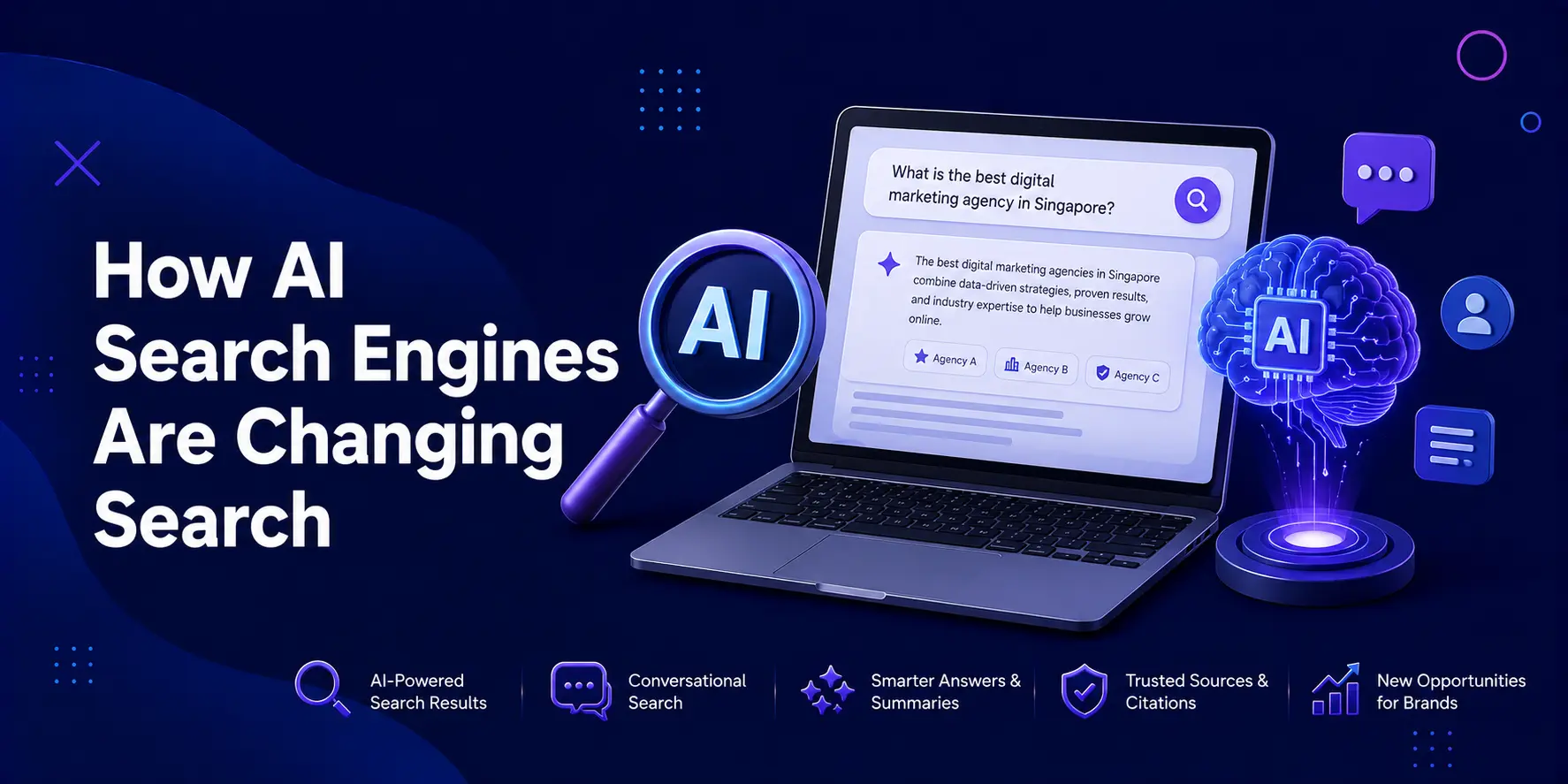

AI SEO is the process of optimising content so that AI systems can understand, extract, and show it in search results, including AI-generated answers and conversational interfaces.
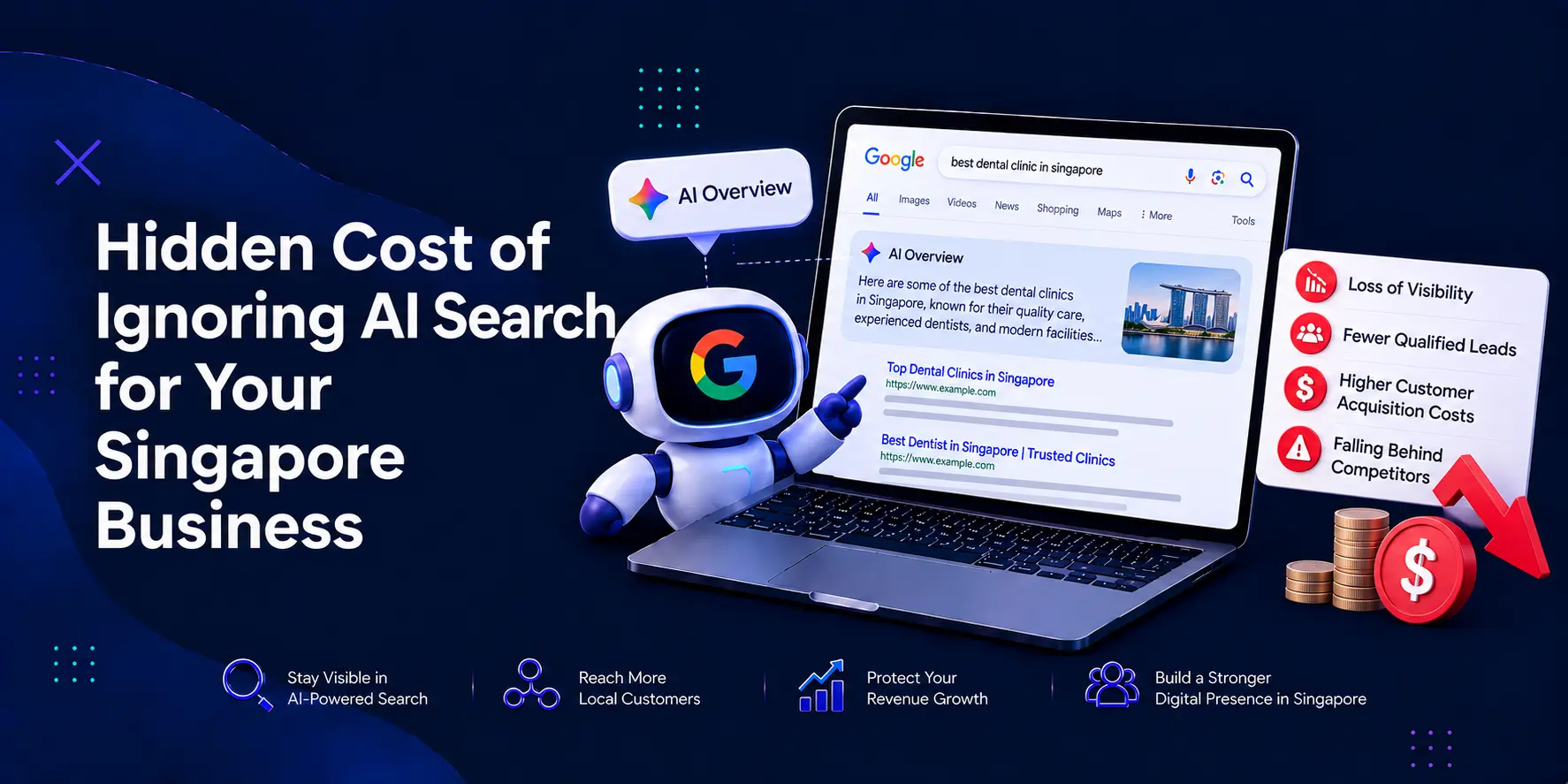
Because search is no longer just about ranking web pages, but it’s about delivering direct, AI-generated answers. With trending tools like Google AI Overviews, ChatGPT, and Bing Copilot, users are increasingly getting information without clicking through multiple links.
This evolution of AI SEO brought a new system that draws its influence from how artificial intelligence processes information and organises data for operational purposes. Businesses must now develop their content for extraction processes, which will generate summary data and citation reference systems instead of focusing exclusively on keyword optimisation and search engine ranking performance.
In this guide, you’ll learn how AI and SEO are evolving together, how AI-driven search works, and how to optimise your content to stay visible in this new landscape.
Get a free digital marketing consultation from BThrust's Singapore team and find out what's holding your growth back.
AI SEO matters because users now get answers directly from search engines instead of clicking websites. This shift is happening quickly, with AI adoption nearly doubling from 14% to 29.2% in just six months in 2025, highlighting how rapidly users are moving toward AI-powered search experiences (HigherVisibility, 2025).
Let’s understand how AI SEO helps in modern search below:
Zero-click search refers to searches where users get their answer directly on the search results page without clicking on any website. It is one of the key reasons why AI SEO is important.
This behaviour is already visible in user trends, where around 75% of AI-driven search sessions end without users visiting external websites, reinforcing the importance of appearing directly in AI-generated answers.
Searches now end without a click because AI-generated answers, featured snippets and knowledge panels have become standard in search results. The trend continues to gain speed because AI Overviews deliver quick summary answers through their platforms.
This indicates that businesses need to move from the traditional way of simple website traffic generation to an AI-powered SEO strategy because search engines now display their content within direct answer boxes. AI systems prefer content that presents its information through organised structures and shows reliable information that users can understand without difficulty.
More reasons why AI for SEO is important:
As a result, SEO and AI are no longer separate; they are actually deeply integrated in modern search.
AI SEO and traditional SEO share the same foundation, but they differ in focus and execution. Let’s explore below:
| Aspect | Traditional SEO | AI SEO |
|---|---|---|
| Primary Focus | Ranking web pages in search results | Being cited in AI-generated answers |
| Optimisation Approach | Keyword-focused optimisation | Meaning, entities, and context-driven optimisation |
| Goal | Drive clicks and website traffic | Build visibility, even without clicks |
| Search Behavior | Users click on links | Users get direct answers from AI |
| Content Strategy | Optimise for search engines | Optimise for AI understanding and extraction |
AI SEO works by helping search engines understand content at a deeper, semantic level rather than relying only on keywords. The process involves three main stages:
AI systems analyse language, context, and relationships between concepts using NLP.
Relevant content is selected based on clarity, structure, and authority.
AI combines information from multiple sources to generate a final response.
This is where generative AI SEO comes into play, as content must be structured in a way that AI can easily extract and reuse.
As user behaviour evolves, this shift is becoming more significant—around 3 in 4 users now rely on AI tools weekly for tasks like quick answers, research, and decision-making, making structured content more important than ever.
AI SEO in Singapore impacts visibility across multiple AI-driven platforms, not just traditional search engines. As search evolves, content is increasingly surfaced in AI-generated answers and conversational interfaces rather than only in ranked lists of links.
Google AI Overviews generate summarised answers directly in search results by combining information from multiple sources.
The system selects information from sources that deliver content combining well-organised and expert-verified data.
Bing Copilot uses AI to deliver chat-based answers that appear together with standard search results.
The system extracts data from multiple sources to create an easy-to-understand presentation that users can access without difficulty.
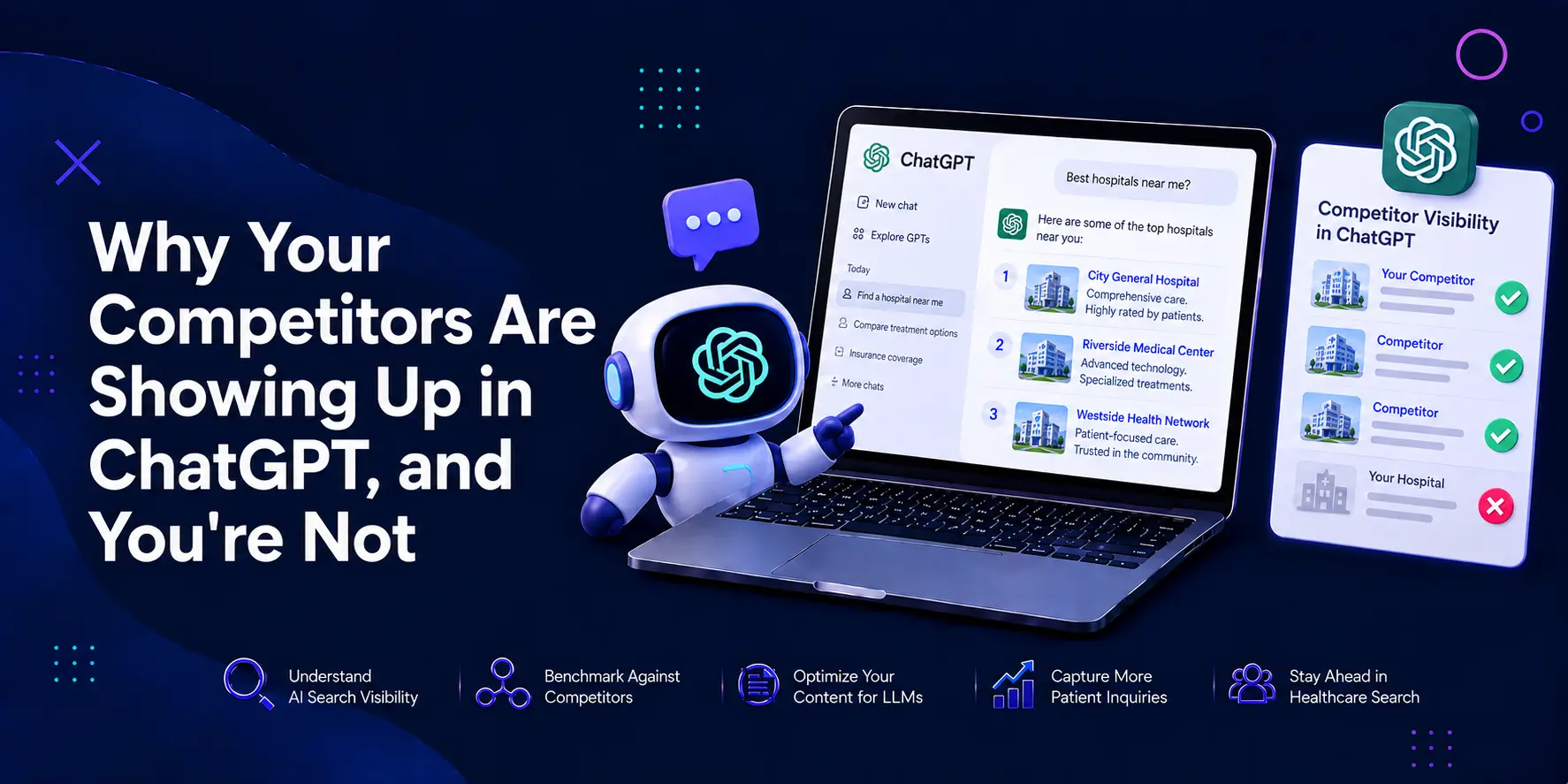
AI assistants like ChatGPT deliver direct answers based on structured and reliable content.
The creation of information that users can quickly understand and reuse for their dialogue responses serves as the main optimisation strategy for these platforms.
AI-driven platforms are growing rapidly, with ChatGPT alone accounting for nearly 20% of search-related traffic globally, highlighting the increasing importance of optimising content beyond traditional search engines.
Perplexity AI provides users with correct answers that include proper source documentation.
The system shows its sources, which forces organisations to maintain clear communication while delivering trustworthy information to obtain better visibility.
Voice assistants such as Alexa, Siri, and Google Assistant rely on concise, direct answers. As content optimised for voice search must be clear, conversational, and easy to extract.
AI SEO is built on a set of core pillars that determine how effectively content can be understood, extracted, and cited by AI-driven search systems. These pillars go beyond traditional optimisation and focus on how information is structured and interpreted.
Entity clarity ensures that AI systems can accurately identify and understand the key topics, brands, and concepts within your content.
Search engines depend on entities together with their linked relationships instead of depending on keywords alone. You need to establish clear definitions for these aspects:
The text should start with a specific sentence that defines the main topic instead of using general statements. The knowledge graph system needs AI content to contain uniform names and understandable descriptions, which enable it to link your information to its established knowledge base.
The system will correctly identify your content and generate citations when you provide precise entity definitions.
Structured content makes it easier for AI systems to extract and reuse specific pieces of information.
AI models need content that meets the following requirements:
A section that begins with a direct answer and then shows bullet points makes it easier to extract information than a lengthy block of text.
Well-organised content will help you get better results when AI systems generate their answers and summaries.
Topical authority measures the complete subject coverage that you deliver through your consistent content development. AI SEO needs content development that builds depth through complete topic coverage instead of creating individual web pages. This includes:
The website, which creates various high-quality AI SEO articles about strategy, tools and comparisons, establishes more authority than a single web page does.
The deeper your coverage, the more trustworthy your content appears to AI systems.
Technical SEO ensures that your content is accessible, crawlable, and correctly interpreted by both search engines and AI systems.
Key elements include:
Even the best content won’t perform if it cannot be efficiently crawled or rendered.
Technical health provides the foundation that allows AI systems to access and process your content.
Content accuracy is critical for building trust and increasing the likelihood of being cited in AI-generated responses.
AI systems prioritise content that is:
Inaccurate or outdated content is less likely to be used and may reduce your overall visibility. So, high-quality, reliable information increases your chances of being selected as a trusted source.
Optimising for AI SEO means creating content that is easy for AI systems to understand and reuse.
Below are the key steps:
Using the right AI SEO tools can also help analyse structure, gaps, and optimisation opportunities.
When you want to rank your content in AI tools or an overview, then you need to optimise your content in such a manner so that it follows all the standards that help content to rank. Let’s explore some of the best practices below:
AI-optimised content should be clear, structured, and self-contained.
Structured content (headings, lists, FAQs) is the most effective format for AI search.
Follow these best practices:
These practices improve both readability and performance in GEO SEO (Generative Engine Optimisation) environments.
AI SEO will continue to evolve as generative AI becomes central to search experiences.
Key trends to watch:
As AI and SEO continue to merge, businesses that focus on clarity, authority, and structure will have a competitive advantage.
AI SEO is the practice of optimising content so AI systems can understand and use it in search results.
Traditional SEO focuses on rankings, while AI SEO focuses on being included in AI-generated answers.
No, AI SEO builds on traditional SEO and expands it for AI-driven search.
Use clear answers, structured content, and focus on topics rather than just keywords.
AI Overviews are AI-generated summaries that appear in search results, combining information from multiple sources.