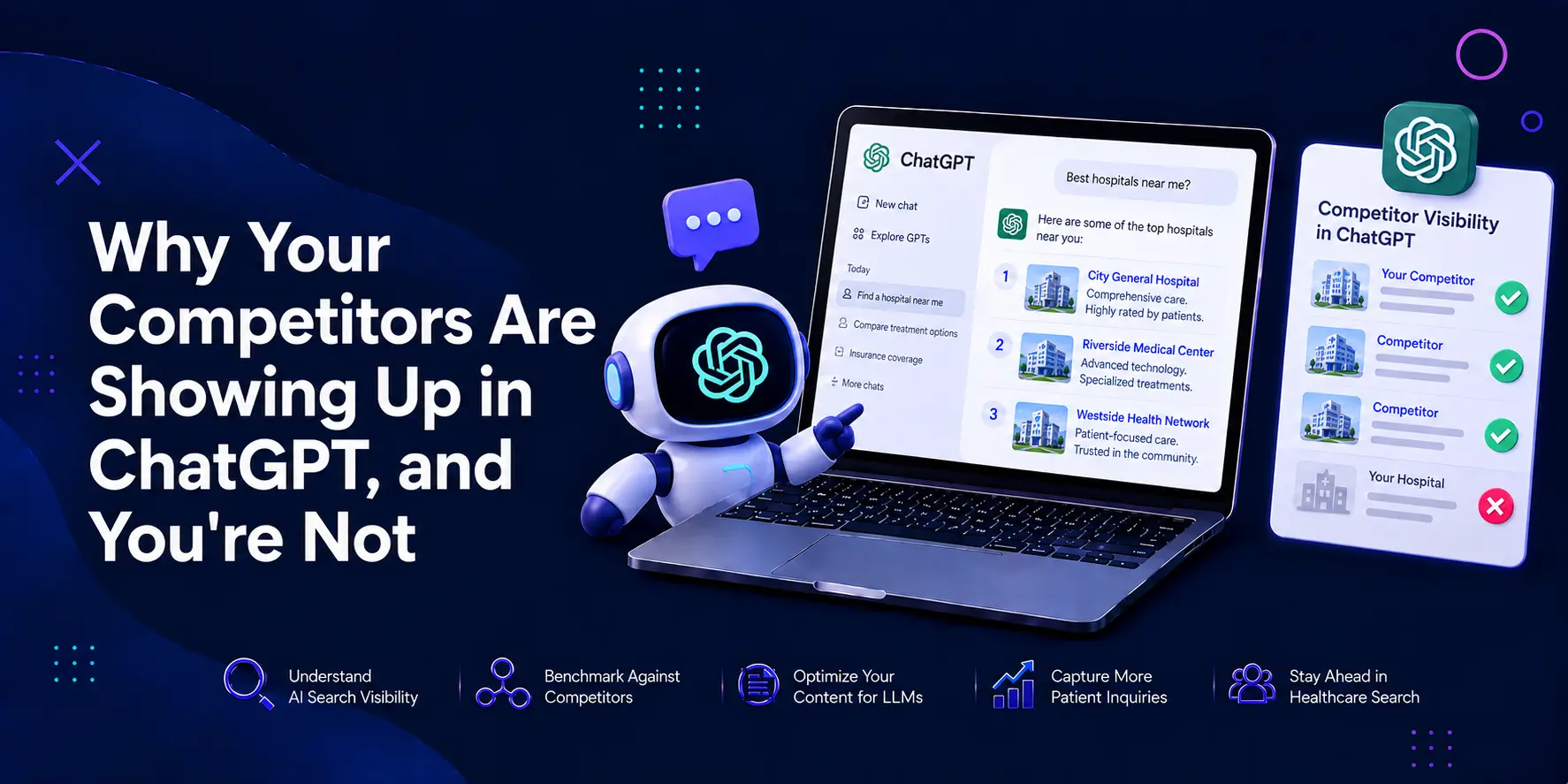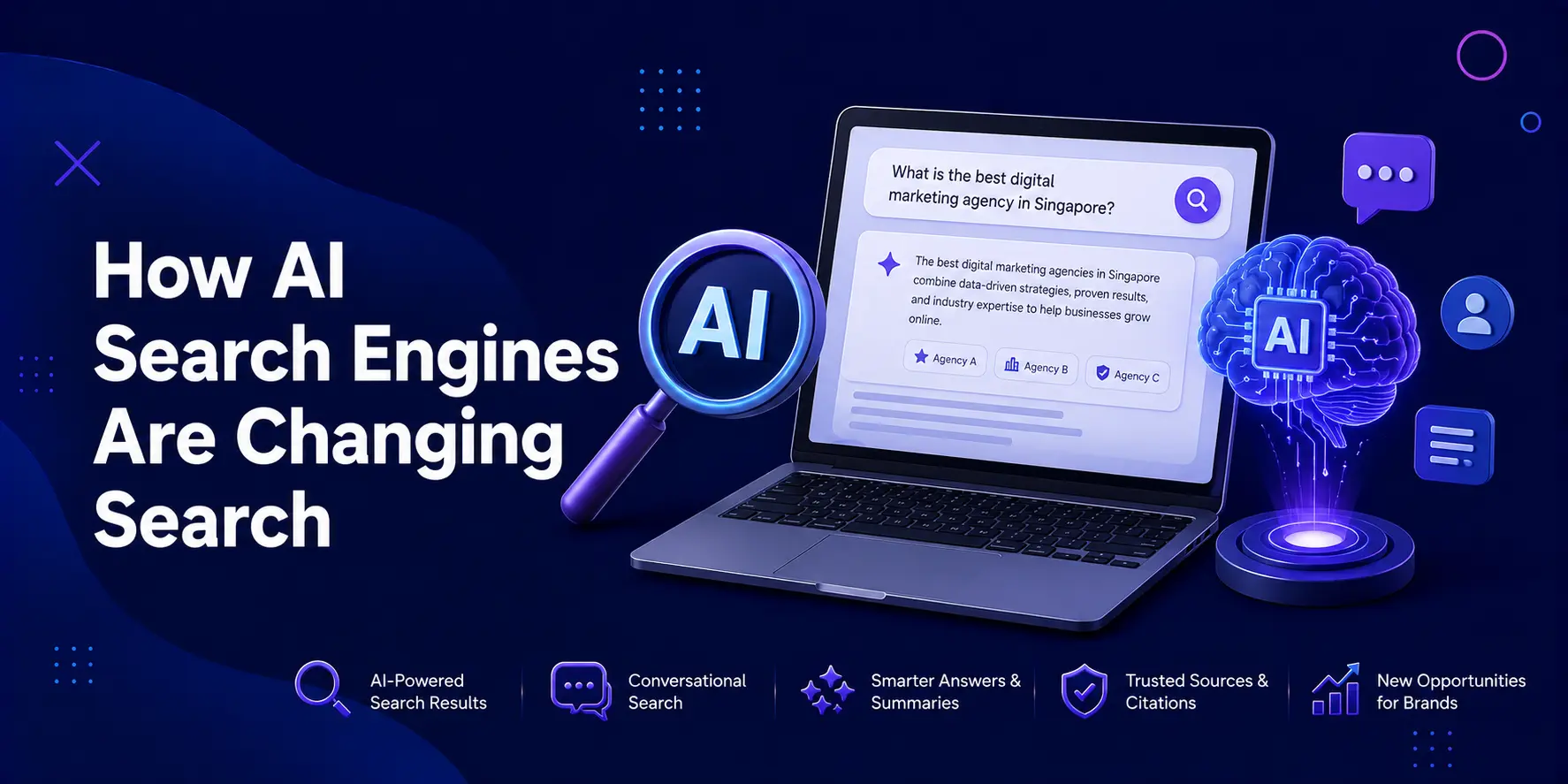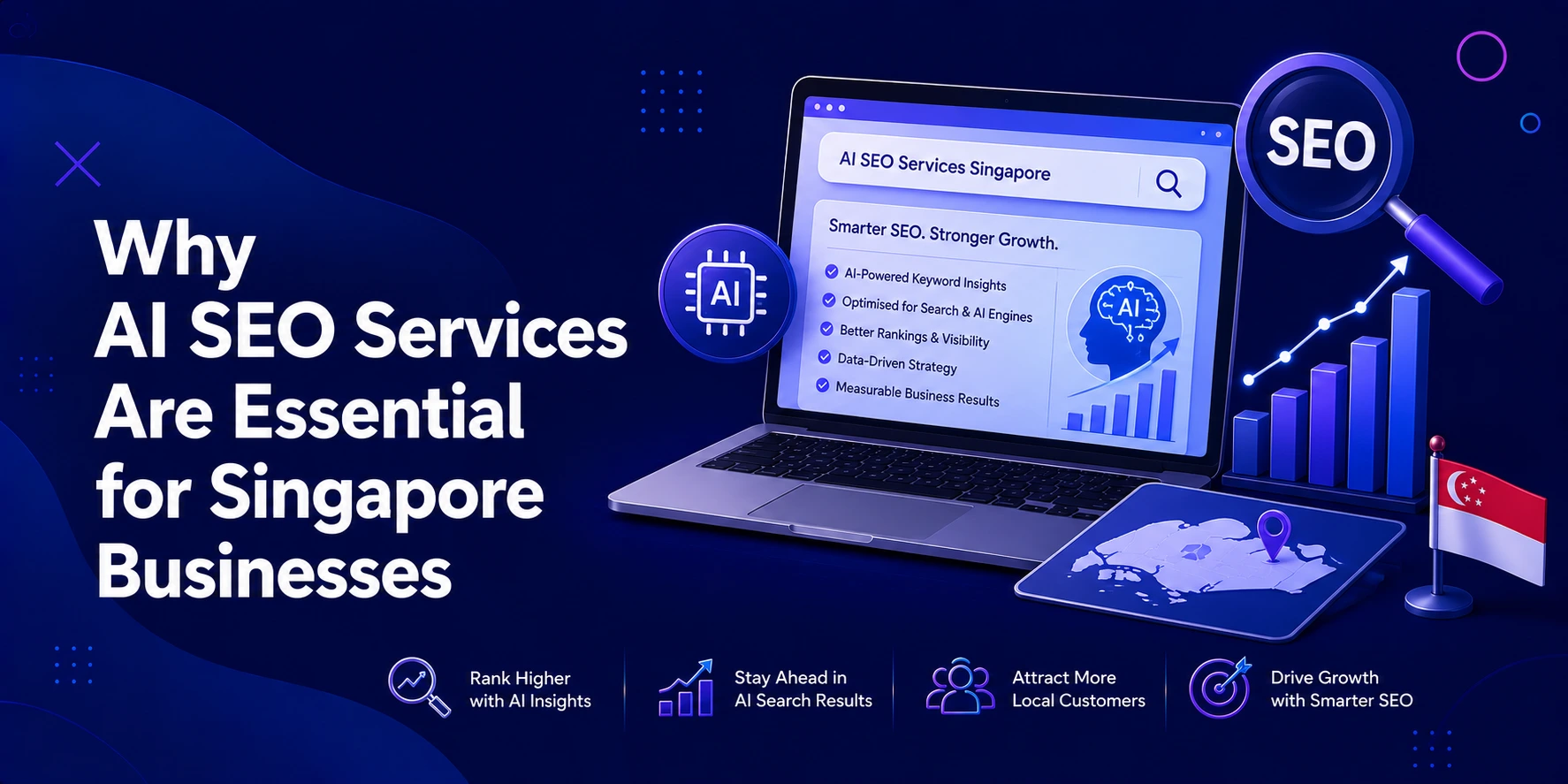
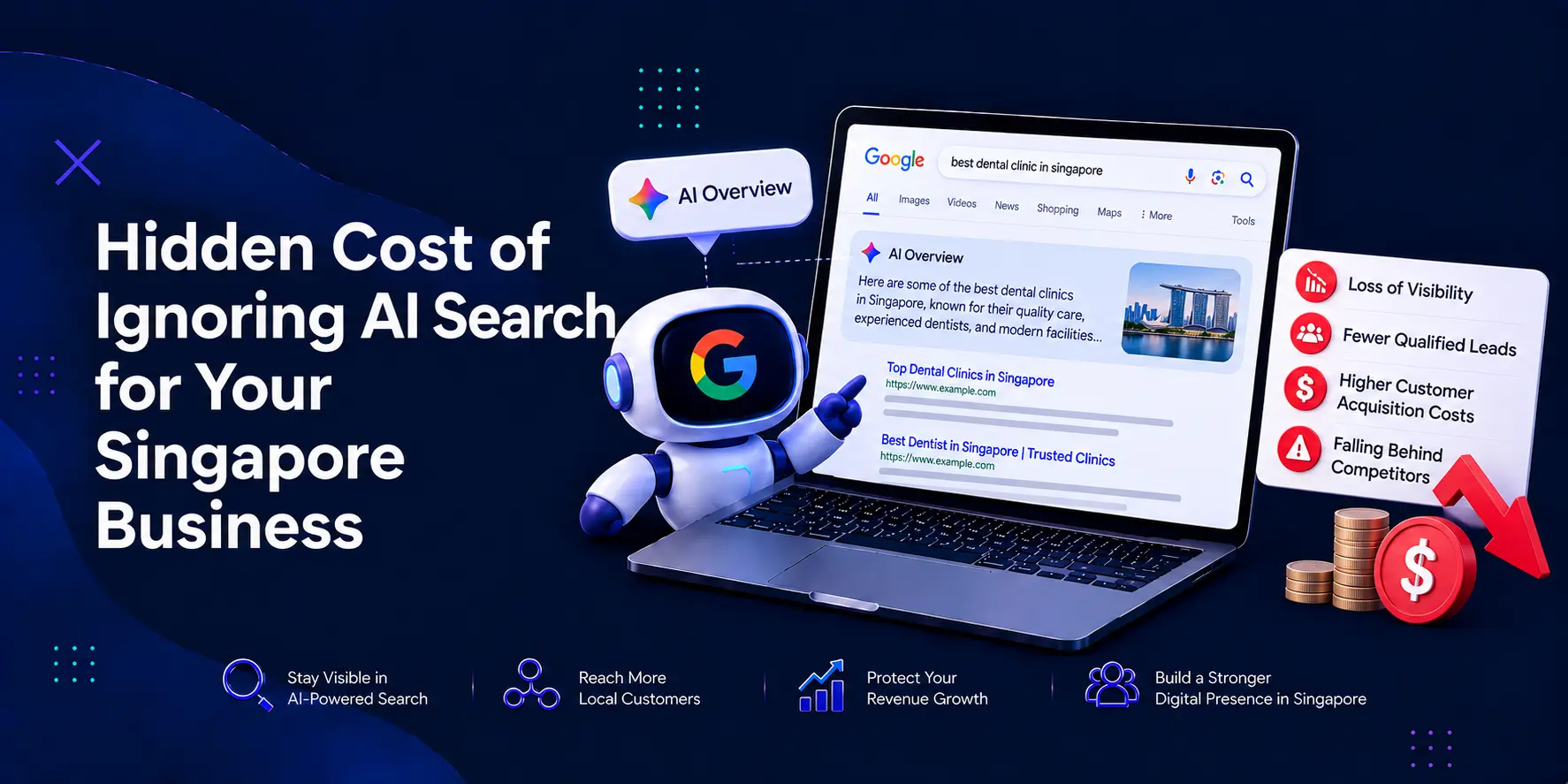
AI search is changing how customers discover, compare, and choose businesses in Singapore. Buyers no longer depend only on traditional Google results. They ask AI tools for recommendations, price guidance, service comparisons and trusted providers. This shift creates a serious risk for companies that still rely on old search habits.
The cost of ignoring AI search is not always visible at first, but it can reduce enquiries, weaken brand authority, increase ad spend, and push buyers towards competitors before they ever reach your website.
Get a free digital marketing consultation from BThrust's Singapore team and find out what's holding your growth back.
Search behaviour has moved beyond keywords and rankings. Customers now expect fast, clear answers. AI search tools meet that need by summarising information, comparing options and guiding users towards useful sources.
For Singapore business owners, this matters because customers often search before making contact. They compare agencies, clinics, consultants, software providers, retailers, schools, renovation firms, financial services and B2B vendors before sending an enquiry.
AI search now influences these early decisions. A potential customer may ask an AI tool for the best provider, the average cost, key questions to ask, or the safest choice in Singapore. If your business does not appear in that answer, you may lose the customer before the sales journey begins.
Google has said that AI features in Search help users ask more complex questions and that AI-led clicks can bring more engaged visitors to websites. At the same time, Pew Research found that users clicked traditional links less often when AI summaries appeared in Google results. This shows one clear point: AI search is changing how people move from question to purchase.
The cost of ignoring AI search is the value your business loses when AI tools do not understand, trust, or recommend your brand.
This cost does not always appear as a direct expense. It shows up through weaker search visibility, fewer qualified leads, lower brand recall, and higher dependence on paid advertising.
A business may still have a website, publish blogs, and run SEO campaigns. Yet if AI tools do not mention that business in answers, comparisons, or recommendations, the brand loses influence at the point where buyers form opinions.
That is the real danger. Your business may not look invisible in traditional search reports, but it may already be absent from AI-led discovery.
The AI search opportunity cost refers to the leads, sales, and market trust your business misses while competitors build stronger AI visibility.
This opportunity cost grows across several areas.
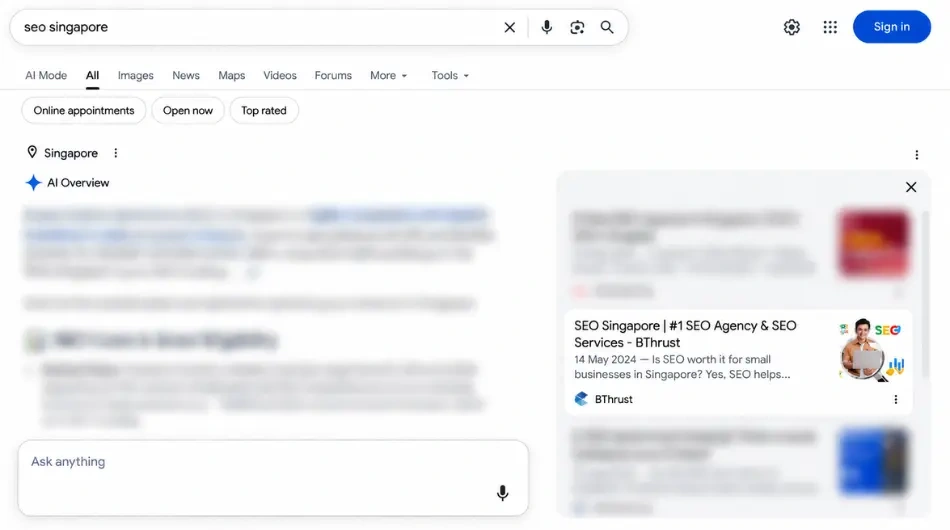
AI search often appears when users ask detailed questions. These questions usually show strong intent.
A Singapore buyer may search for:
These are not casual searches. They are decision-stage searches. If AI tools mention your competitors and ignore your business, you lose visibility during a valuable buying moment.
Trust now forms before a customer visits your website. AI tools often summarise expert advice, reviews, comparisons, and service details. When your brand appears in those answers, customers may see you as more credible.
When your brand does not appear, competitors gain the first layer of trust.
This matters because many buyers create a shortlist before they contact any company. If your business is missing from that shortlist, your sales team never gets a chance to persuade them.
The loss from AI search can feel silent. You may not see a sudden drop in one report. Instead, you may notice fewer quality enquiries, lower website engagement, or rising ad costs.
This happens because buyer attention has shifted. Customers may now get enough guidance from AI tools to choose another provider before clicking your website.
Singapore has a competitive and digitally mature business environment. Customers can compare providers fast, and companies face pressure to prove value with clarity.
IMDA reported that Singapore’s digital economy reached 18.6% of GDP in 2024, up from 14.9% in 2019. IMDA also reported that SME AI adoption rose from 4.2% in 2023 to 14.5% in 2024.
These figures show that digital adoption is not a side issue for Singapore firms. It has become part of business competition.
If more businesses use AI, automation, content systems, and stronger search strategies, the cost of inaction rises. Competitors that invest in AI search visibility can shape customer decisions before slower firms react.
The question of what happens if you ignore AI search optimisation has a direct answer: your business risks becoming absent from the new search journey.
That absence can affect several parts of your growth.
If your competitors publish stronger content, AI tools may use their websites, guides, FAQs, reviews, and case studies to answer customer questions.
This gives competitors control over how customers understand the problem, compare solutions, and judge providers.
They become the visible authority. Your business becomes an afterthought.
Traditional SEO still matters, but it no longer covers the full search journey. A website can rank for some keywords and still fail to appear in AI answers.
AI tools look for clear explanations, structured information, consistent business signals, authority, and proof. If your content does not provide these signals, old SEO gains may not carry into AI-led results.
This is where many companies start falling behind on AI SEO. They continue publishing basic keyword content while competitors build answer-ready pages that AI systems can understand and cite.
When organic discovery weakens, many businesses turn to paid ads to recover lost traffic. That can increase the cost per lead.
Paid advertising has value, but it cannot replace every trust signal. Customers still look for proof, authority, reviews, and helpful answers. AI search can provide these trust signals before a customer clicks an advert.
A weak AI search presence can force your company to buy attention that stronger content could have earned.
GEO stands for Generative Engine Optimisation, which helps AI engines understand your business and cite it in answers. It focuses on helping AI systems understand, trust, and include your business in generated answers.
The cost of not doing GEO can become serious because AI tools rely on clear, useful, and verifiable information.
Many business websites use broad claims such as “we provide quality solutions” or “we are a trusted partner”. These lines do not help customers make decisions. They also give AI systems very little substance.
A strong GEO-ready page explains your service with precision. It tells readers who you serve, what problems you solve, how your process works, what affects pricing, and what results customers can expect.
This makes your content useful for both people and AI tools.
AI systems need consistent signals across the web. Your website, Google Business Profile, directories, reviews, social profiles, and industry mentions should all support the same business identity.
If your information looks incomplete or inconsistent, AI tools may choose a competitor with clearer signals.
Important signals include:
These signals help AI tools connect your business to the right customer questions.
Customers want practical answers before they contact a company. They want to know cost, process, timing, risks, service scope, and expected results.
If your website avoids these questions, AI tools may favour another source.
For example, a company targeting SEO costs in Singapore should explain what affects pricing, what a monthly SEO package may include, and how owners can judge value. A company targeting AI SEO in Singapore should explain AI search, GEO, answer engine optimisation, and how these services support business growth.
Falling behind on AI SEO creates a gap that widens with time.
Competitors that invest early can build content depth, earn mentions, collect reviews, improve internal links and strengthen topic authority. AI tools may then recognise those competitors as useful sources.
This creates a growth loop. Better visibility brings more traffic. More traffic can lead to more enquiries, reviews, links and brand searches. Those signals can improve visibility again.
A late-moving business may need more time and budget to catch up. It may also face stronger competitors that already own important buyer questions.
Business owners do not need to overhaul everything at once. A clear and focused plan can improve AI visibility over time.
Start by checking whether AI tools mention your business for important searches.
Test questions related to your services, pricing, location, and customer problems. Look at Google AI results, ChatGPT, Gemini, Copilot, and Perplexity.
Search for terms such as:
Record which competitors appear and which sources AI tools reference.
Your service pages should not read like brochures. They should work as decision-support pages.
Add sections that explain:
This approach makes each page stronger for buyers, search engines, and AI tools.
AI search favours content that answers clear questions. Build content around real customer decisions, not only broad keywords.
Useful content types include pricing guides, comparison articles, buyer checklists, case studies, industry guides, service explainers and local landing pages.
Each piece should help a decision-maker move one step closer to action.
Strong claims need evidence. Add client results, testimonials, review snippets, certifications, awards, project examples, and expert insights.
Proof helps customers trust your business. It also gives AI tools stronger information to assess your authority.
Do not treat GEO as a replacement for SEO. Traditional SEO still supports crawlability, site structure, keyword targeting, internal links, page speed, and technical health.
GEO adds another layer. It helps your content become easier for AI tools to extract, understand, and cite.
A strong strategy connects both. This is how Singapore businesses can protect existing SEO value while preparing for AI-led search.
Identify your most valuable services, target keywords, customer questions, and main competitors. Test AI tools to see who appears for commercial searches. Review your website content, Google Business Profile, reviews, and local citations.
Rewrite your most important service pages with clearer answers, stronger proof, pricing context, Singapore relevance, FAQs, and internal links. Focus on pages that influence leads and revenue.
Publish content that answers decision-stage questions. Create guides, comparisons, checklists, and case studies. Link these pages to your core service pages. Track whether AI tools start recognising your brand more often.
This plan gives owners a practical starting point without wasting time on scattered content.
The cost of ignoring AI search grows when customers rely on AI tools to compare and choose businesses. Your company may still rank in traditional search, yet lose visibility inside AI answers where modern buyers form opinions. For Singapore businesses, this creates a real commercial risk. Competitors that invest in AI search, GEO, and stronger content can win trust before your website gets a visit. The right response is not panic. It is a focused plan built on clear service pages, strong proof, local signals, and helpful content that answers real buyer questions.
The cost includes lost visibility, fewer qualified leads, weaker trust, higher ad spend, and missed sales when AI tools recommend competitors before buyers visit your website or contact your team.
Your business may disappear from AI answers, local recommendations, and comparison results. This can reduce website visits, sales enquiries, brand recall and your chance to enter buyer shortlists.
GEO helps AI tools understand your services, location, proof and expertise. This improves your chance of appearing in AI-generated answers that influence Singapore customers during research.
Start with an AI visibility audit, improve service pages, answer buyer questions, strengthen reviews, add proof, update local listings, and connect GEO with your existing SEO strategy.