
AI search engines in 2026 are transforming how people find information by using artificial intelligence to understand user intent, analyse context, and generate direct answers instead of simply listing web pages. To stay visible, businesses must create trustworthy, well-structured, and user-focused content that answers real questions while supporting both traditional SEO and Generative Engine Optimisation (GEO).
Instead of clicking through multiple blue links, people now expect AI-generated summaries, comparisons, personalised recommendations, and conversational responses. Powered by large language models, AI search engines understand natural language, combine information from multiple trusted sources, and deliver comprehensive answers in seconds.
This shift is redefining SEO and content marketing, making quality, relevance, and topical authority more important than keyword density alone. In this guide, you’ll learn how AI-powered search is changing user behaviour, its impact on SEO, and the strategies businesses need to stay competitive in the evolving search landscape.
Get a free digital marketing consultation from BThrust's Singapore team and find out what's holding your growth back.
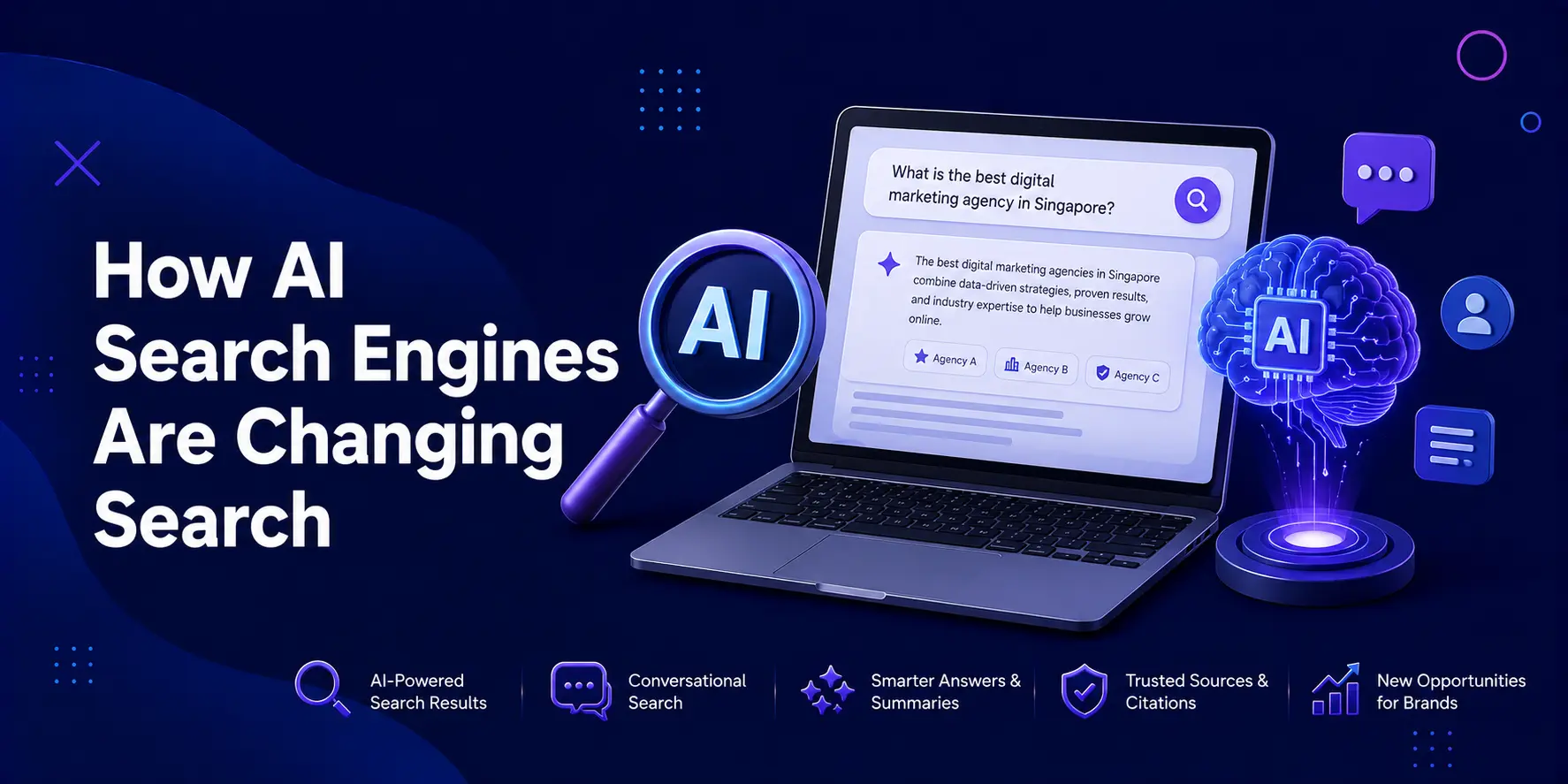
The AI search engines of 2026 will operate through natural language processing to identify user goals instead of using traditional keyword matching techniques during search operations.
The system identifies user purposes while combining data from multiple sources to deliver full responses instead of showing users standard search engine results
Instead of searching for:
Understanding how AI search engines work in 2026 helps businesses create better content. Modern search follows several stages.
Search engines analyse the full question instead of individual keywords.
They consider:
This allows them to provide answers that match what users actually need.
Instead of relying on one webpage, search engines review multiple trusted sources. They compare information before producing a response. This helps improve accuracy while reducing irrelevant results.
Many search platforms now generate summaries instead of showing only links.
These summaries often include:
This creates a faster search experience for users.
One of the biggest changes is the difference between AI search and traditional Google search.
| Traditional Search | AI Search |
| Matches keywords | Understands meaning |
| Shows web pages | Creates direct answers |
| Requires multiple clicks | Reduces extra searches |
| Focuses on rankings | Focuses on useful information |
| Limited context | Understands complex questions |
Traditional search still exists, but users increasingly expect complete answers instead of browsing several websites.
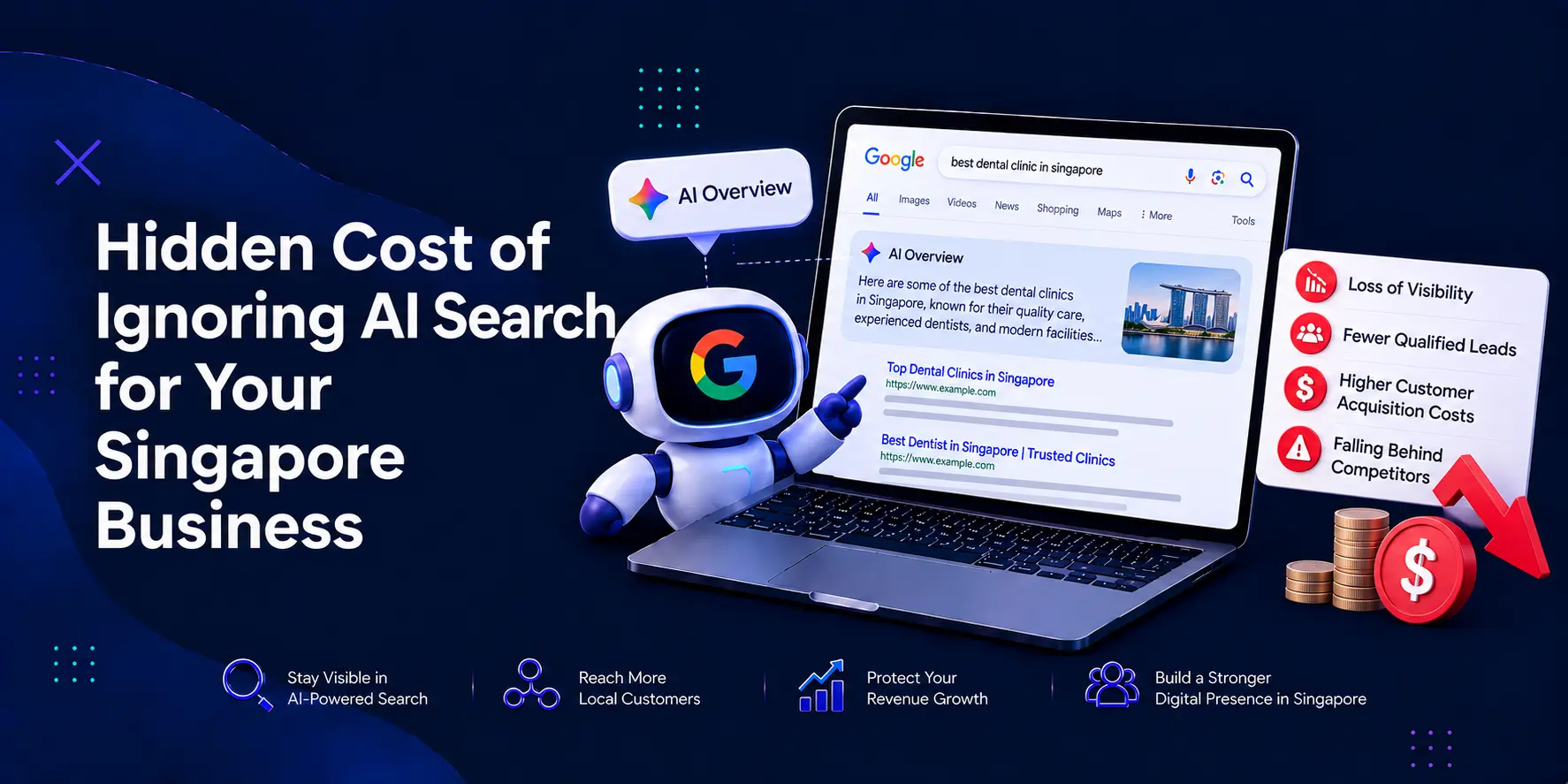
The field of AI Overviews has established itself as a major development in this area.
The search results display their summary information before the standard results, which summarize information from multiple reliable sources. Users can often find basic information without opening multiple pages.
The system creates both new business opportunities and problems that publishers must address. The content organization of websites with precise and well-structured information enables them to appear in these summary results.
Businesses should focus on:
Another important trend is generative search. Instead of searching several times, users now ask one detailed question.
For example:
Instead of searching:
Users now ask:
“Which smartphone offers the best camera and battery life under my budget?”
The search engine combines information into one response. This changes how businesses should create content. Instead of writing around isolated keywords, content should answer complete questions.
LLM search focuses on understanding language rather than matching keywords.
This allows search engines to:
As people become comfortable with conversational search, websites must provide detailed answers instead of short keyword-focused articles.
Comprehensive content performs better because it gives search engines enough information to understand the topic.
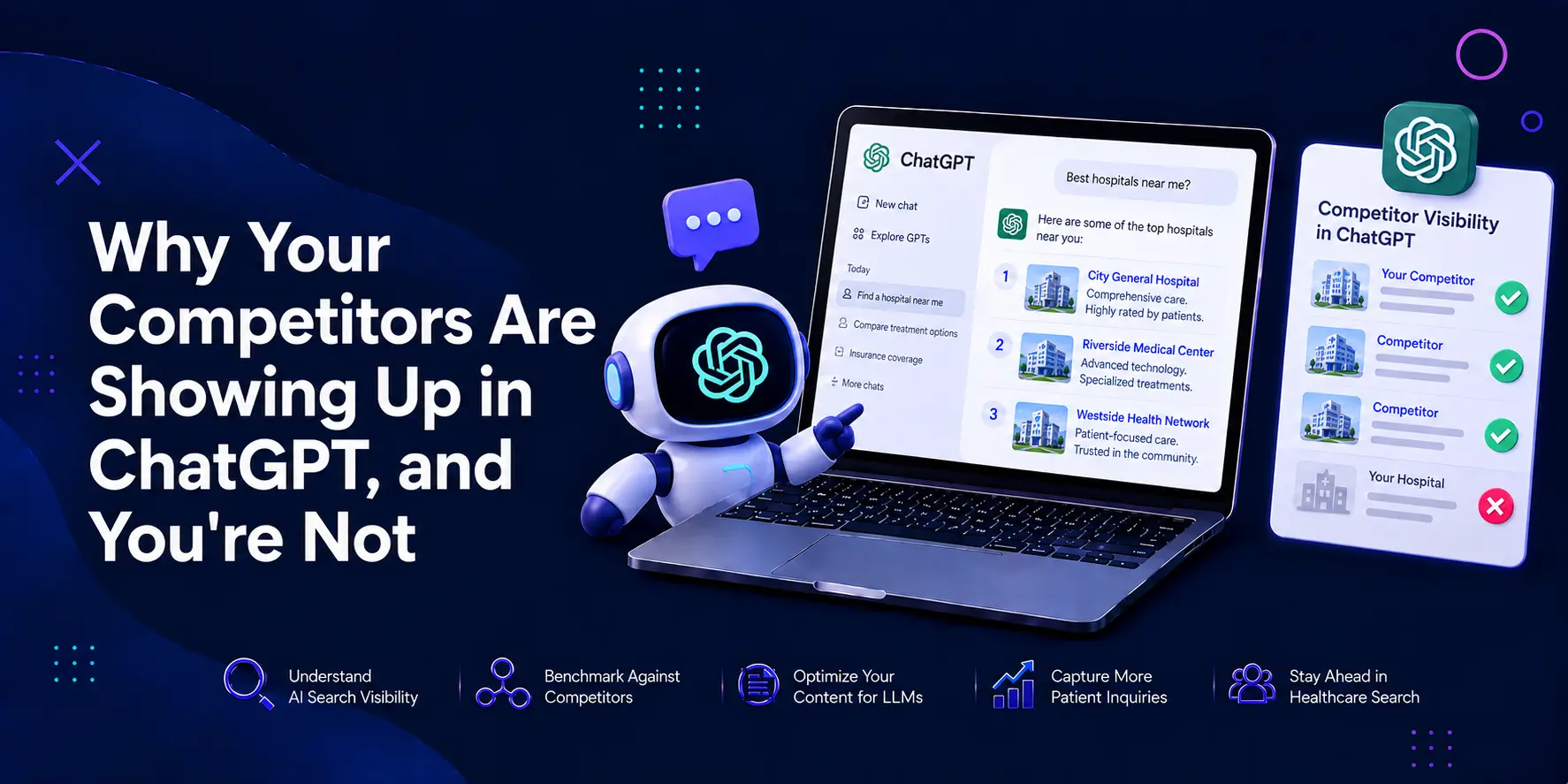
Another major change is the rise of ChatGPT search. Many users now begin their research with conversational search tools instead of traditional search engines.
These tools help users:
This behaviour means brands need content that answers real questions in a simple and structured format. Content written only for rankings is becoming less effective.
Google AI Mode reflects the shift towards conversational search experiences. Instead of showing only web pages, search results become more interactive.
Users can:
This creates a search journey instead of a single search result.
Businesses should organise content using logical sections, clear headings, and direct answers that search engines can understand.
The impact of AI search on SEO strategy is significant. Many traditional optimisation methods still matter, including:
Businesses may also consider an AI SEO service when they need to understand how their existing SEO approach can adapt to search experiences that use generated answers, summaries, and conversational results.
However, content quality now plays a larger role. Successful websites focus on:
Content should answer questions clearly without unnecessary complexity. Readers want practical information that solves their problems.
Instead of publishing many short articles, businesses should create comprehensive resources. Complete guides help search engines understand expertise.
Search engines favour websites that demonstrate credibility. Trust grows through:
Well-organised content is easier for both readers and search systems.
Use:
As search evolves, GEO (generative engine optimisation) is gaining attention. Rather than focusing only on rankings, GEO aims to improve how content appears in generated responses.
Good GEO focuses on:
Businesses that invest in quality information improve their chances of appearing in conversational search results.
Creating useful content is becoming more important than producing large volumes of articles. Here are several strategies that continue to perform well. Businesses can also study how Top GEO SEO Agencies approach content structure, authority, research, and question-based optimisation to understand how search visibility is changing.
Think about the questions customers ask before making a purchase. Build content around those questions.
Avoid writing only introductory articles.
Include:
Search changes quickly. Review older articles and refresh them with current information.
Simple writing keeps readers engaged.
Use:
This also improves accessibility.
Search will continue to evolve. Businesses that succeed will focus less on algorithms and more on helping users.
For companies managing several online channels, experienced Digital Marketing Companies in Singapore businesses work with may also help connect SEO, content, paid campaigns, social media, and emerging search strategies into a broader digital plan.
That means creating content that is:
As search systems become better at understanding language, content written for real people will continue to perform well.
Overall, the year 2026 brings new AI search engine systems that transform the process of online information discovery. Search systems now provide users with complete answers through their conversational and context-based approach instead of showing basic link lists.
Users need to interact differently with search functions because of the new features, which include AI Overviews, generative search, LLM, ChatGPT, and Google AI Mode. Businesses now need to create thorough and precise content that answers real questions because GEO (generative engine optimisation) has become an essential marketing factor.
The impact of AI search on SEO strategy is clear. Websites can achieve their success goals by developing trustworthy content that establishes order and provides useful information to users. Organizations that grasp AI search engine operations in 2026 and adapt to the distinction between AI search and standard Google search will achieve better search visibility during search engine development.